New Zealand is home to some of the most unique and beautiful native flowers in the world. From golden Kōwhai and crimson Pōhutukawa to Kākābeak, Harakeke, native orchids, Mānuka and Puawānanga, the flowers of Aotearoa are full of history, symbolism and natural beauty.
As florists, we are often asked whether we use New Zealand native flowers in our bouquets and arrangements. The honest answer is: sometimes, but not always in the way people expect. Many true native flowers are best admired on the tree, in the bush, in gardens or in protected wild places, because they do not always last well as cut flowers for everyday deliveries.
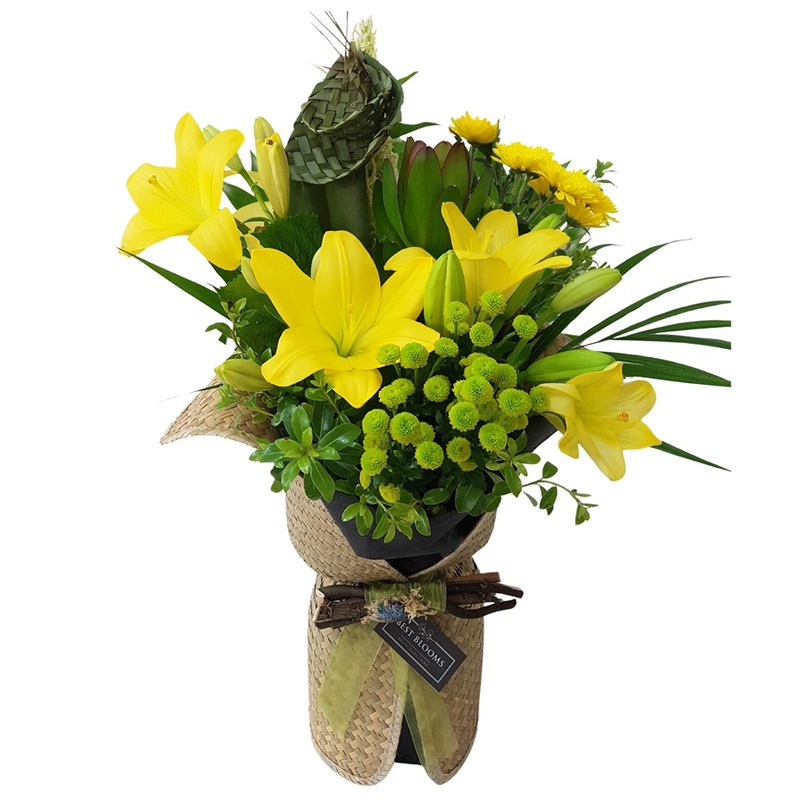
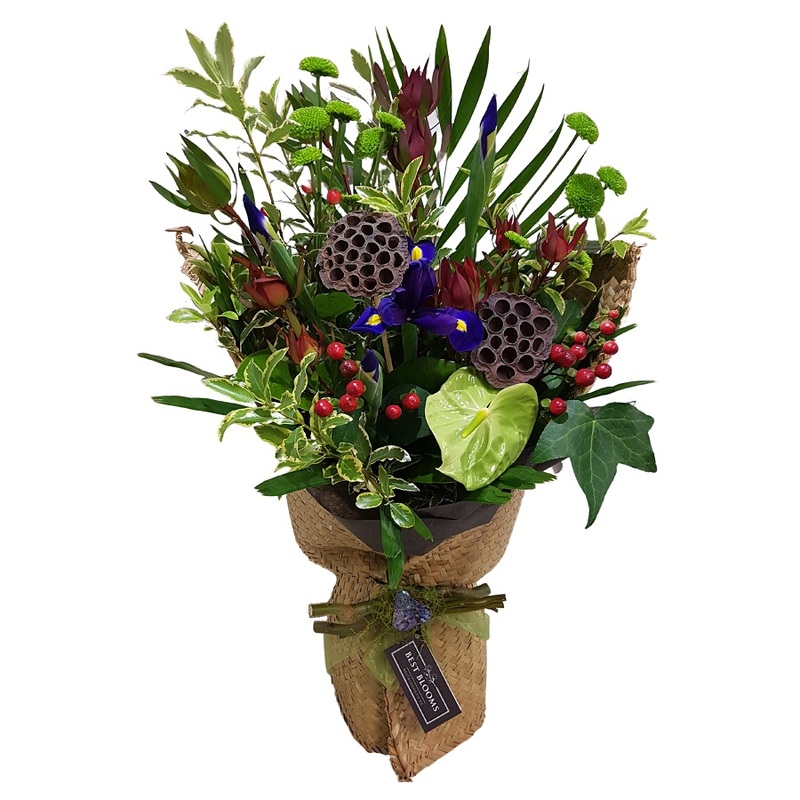
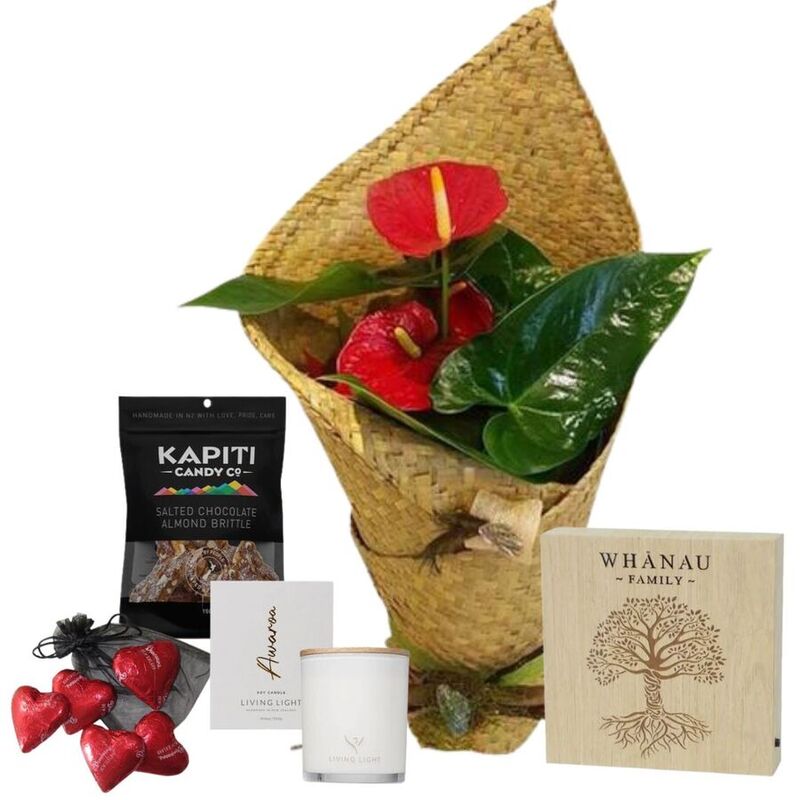
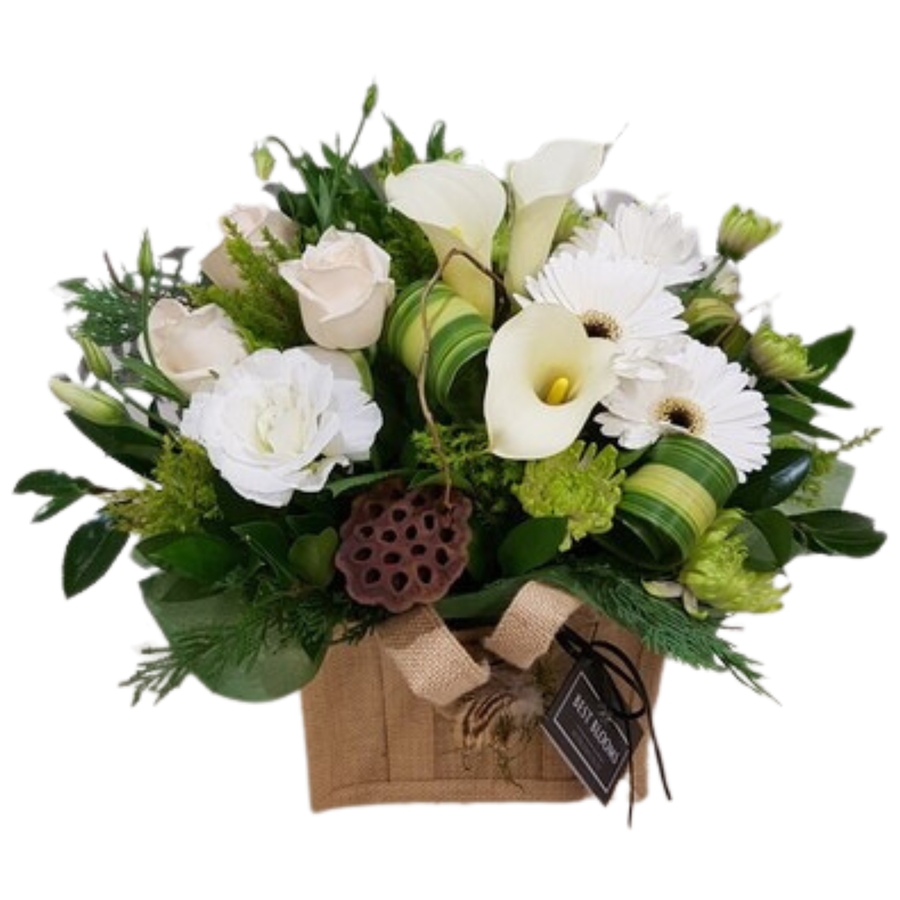
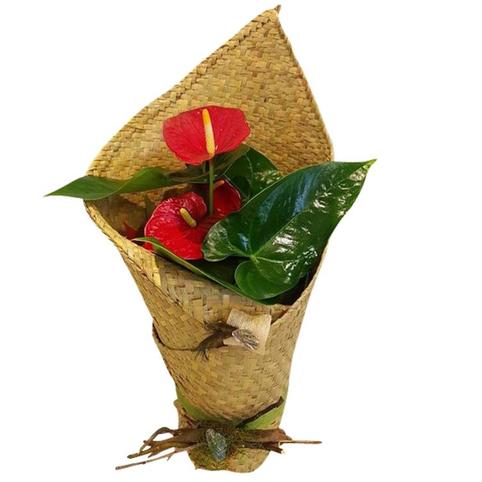
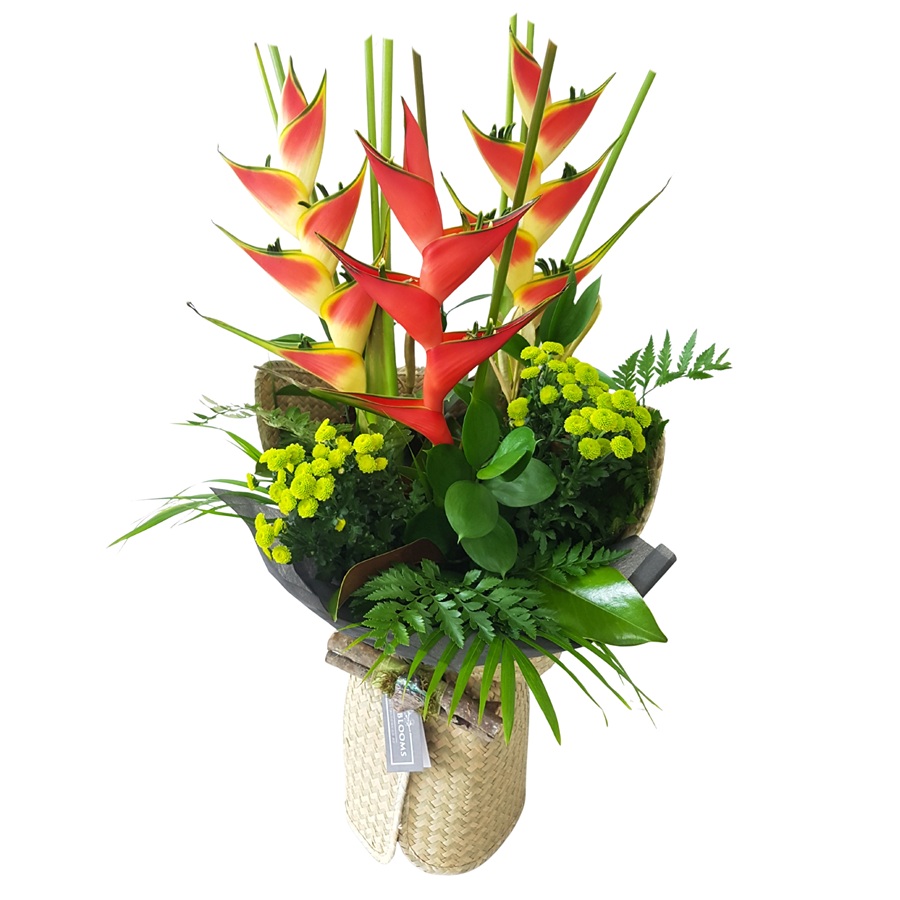
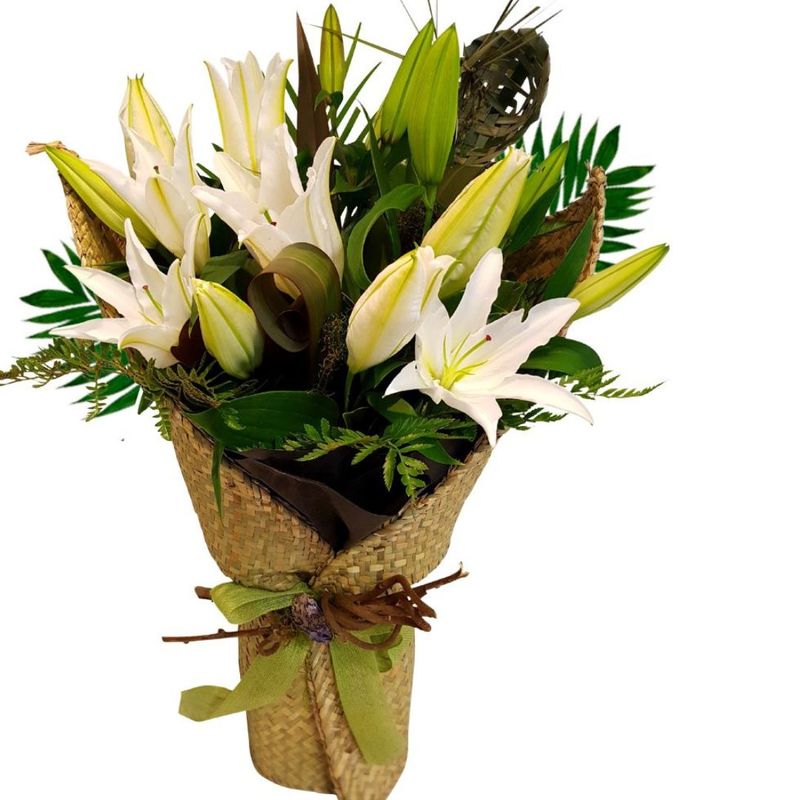
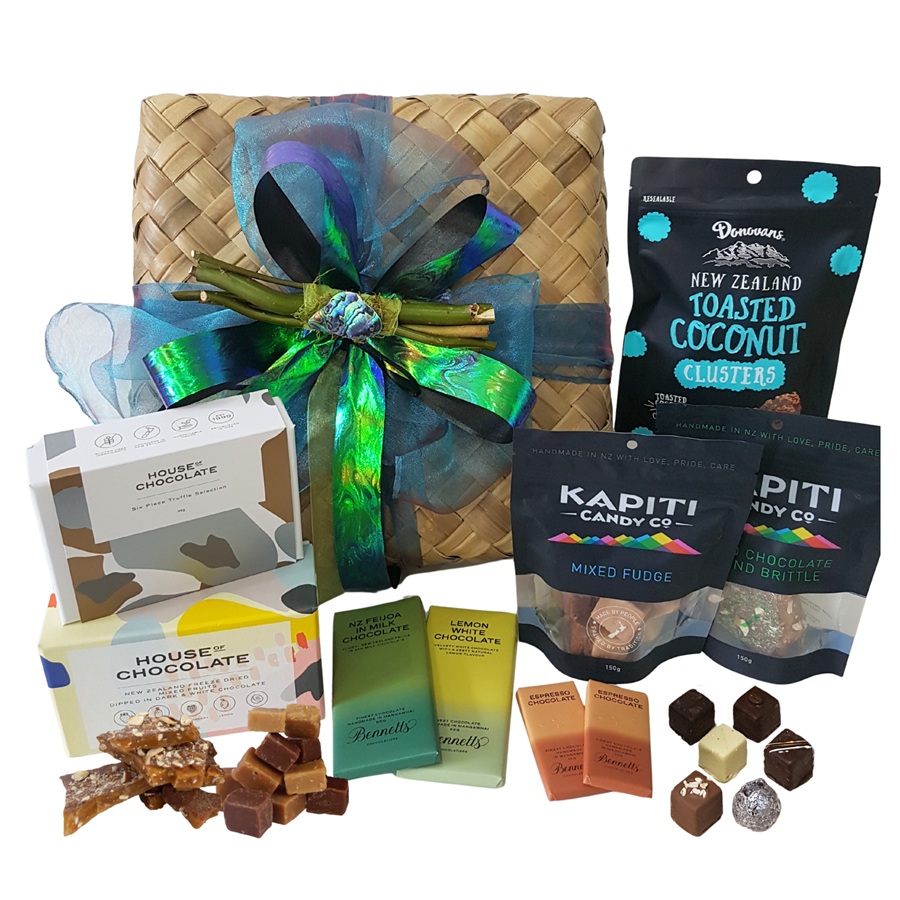
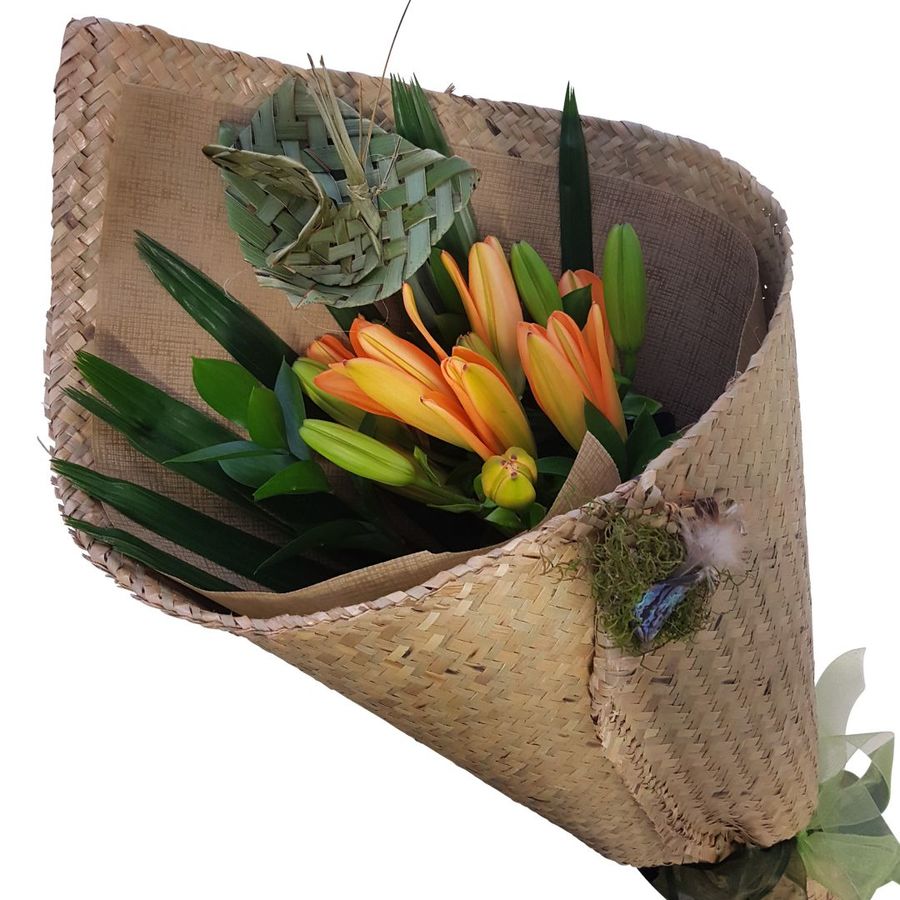
At Best Blooms, we create New Zealand style flowers and native-inspired floral gifts using natural textures, flax-style wrapping, foliage, orchids, protea, paua details, kete-style presentation and fresh seasonal flowers. These designs capture the feeling of Aotearoa, while still being practical and long-lasting for Auckland flower delivery.
Shop New Zealand Style Flowers
Use this guide to explore some of New Zealand’s best-known native flowers and plants, plus how florists can interpret their colours, textures and meanings in modern floral designs.
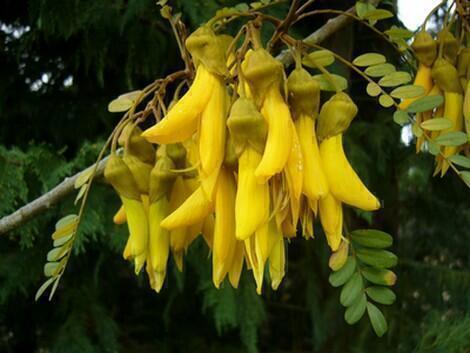
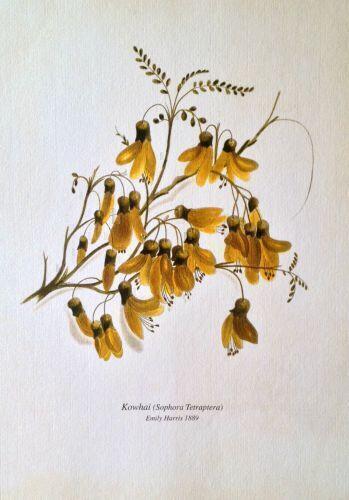
Kōwhai is one of New Zealand’s most recognisable native flowers, loved for its bright yellow bell-shaped blooms and its connection with tūī and other native birds. Although New Zealand does not have an official national flower, Kōwhai is widely thought of as our unofficial floral emblem.
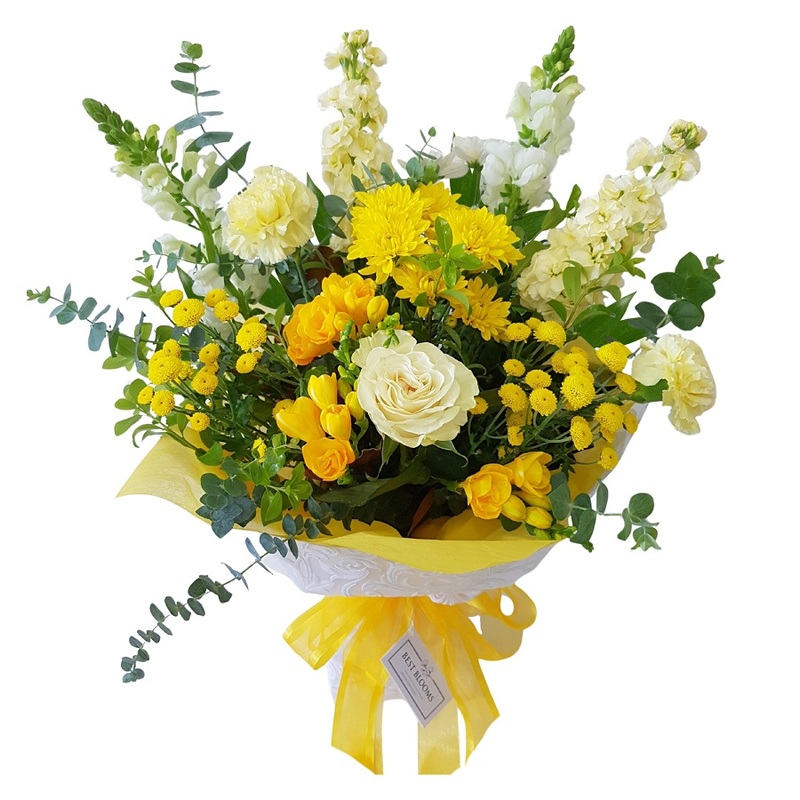
Kōwhai flowers are beautiful in the landscape, but they do not last well as cut flowers for everyday florist deliveries. At Best Blooms, we interpret the feeling of Kōwhai through joyful yellow bouquets and New Zealand style floral gifts with fresh seasonal flowers.
Shop Kōwhai Inspired New Zealand Style Flowers
The name Kōwhai comes from the Māori word for yellow, referring to the bright yellow flowers that appear in late winter and early spring. Kōwhai trees are found throughout New Zealand and are especially common in the North Island. The flowers are trumpet-shaped and hang in clusters from the branches. They are an important food source for native birds such as tūī and bellbirds, which makes a flowering Kōwhai tree a joyful spring sight. The symbolism of Kōwhai includes personal growth, renewal, hope and optimism. Kōwhai is one of my favourite native blooms. There is something about those bell-like yellow flowers in spring, often filled with chattering tūī, that feels full of promise. In Auckland, lovely places to see Kōwhai in flower include Wai-Kōwhai Park on the Manukau Harbour, Mangemangeroa Kōwhai Path, Auckland Botanic Gardens and Cornwall Park. Our florists do not usually use Kōwhai flowers in everyday bouquets because the blooms are not long-lasting as cut flowers. However, Kōwhai branches, leaves and seed pods can be beautiful in special designs when available and appropriate.Read more about Kōwhai flowers
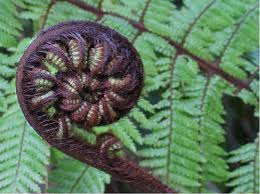
The Silver Fern is one of New Zealand’s most recognised native plants and national symbols. The unfurling fern frond, known as the koru, represents new life, growth, strength and peace.
While silver fern fronds are not a standard everyday cut flower, the koru shape and natural fern textures inspire many New Zealand style floral designs. In our bouquets, we may use foliage, curves, flax-style elements and natural textures to create that sense of growth, strength and connection to Aotearoa.
Shop New Zealand Style Flowers
To Māori, the elegant shape of the ponga frond can symbolise strength, resilience and mana. The koru, based on the unfurling fern frond, is an important symbol in Māori art, carving and tā moko. The Silver Fern has also been used as a symbol of New Zealand identity since the 1880s. It appears on national sporting uniforms, military insignia and many New Zealand emblems. The All Blacks silver fern is famous around the world, and the same emblem appears across many New Zealand sporting teams and national symbols.Read more about the Silver Fern and Koru

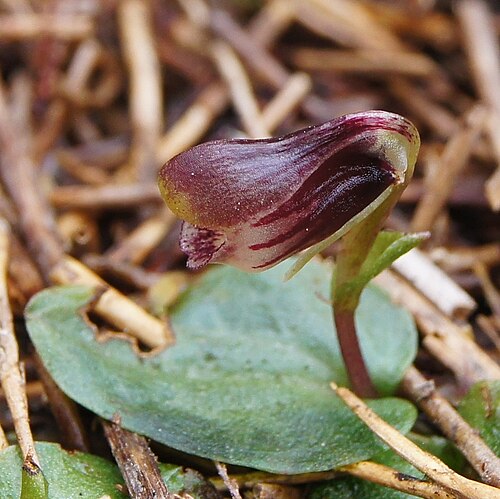
New Zealand has many native orchid species, but they are not the large, showy orchids most people imagine. Native New Zealand orchids are often small, shy and easily missed, growing in forests, wetlands, coastlines and alpine areas.
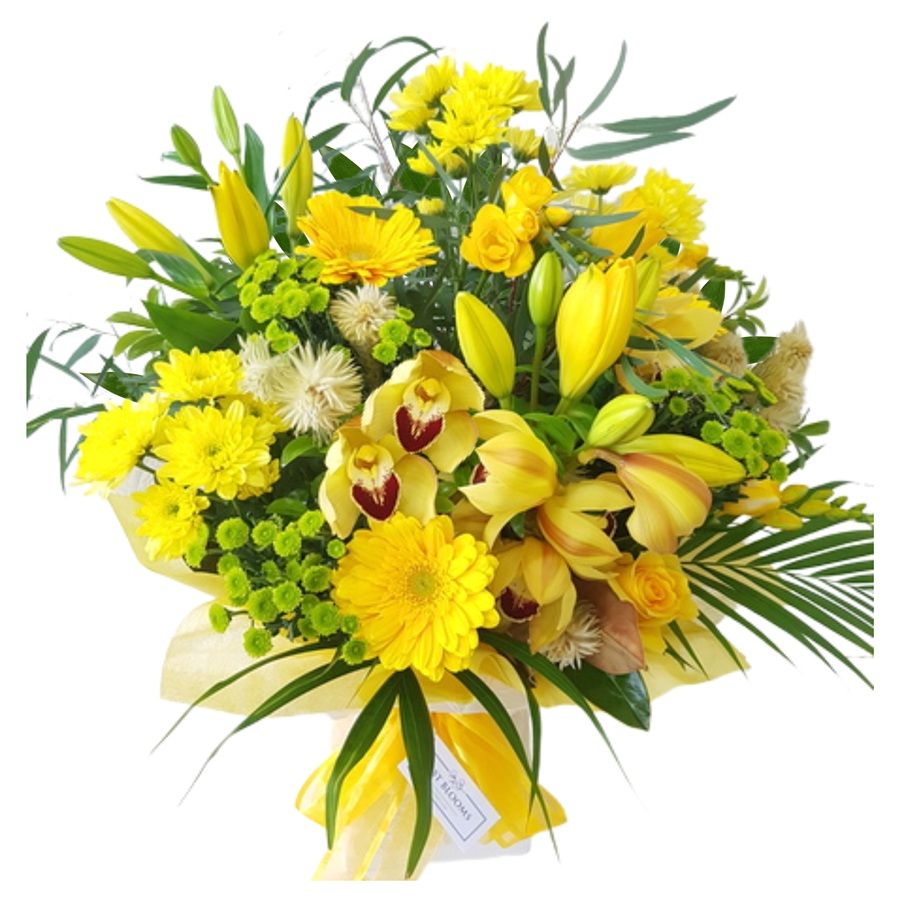
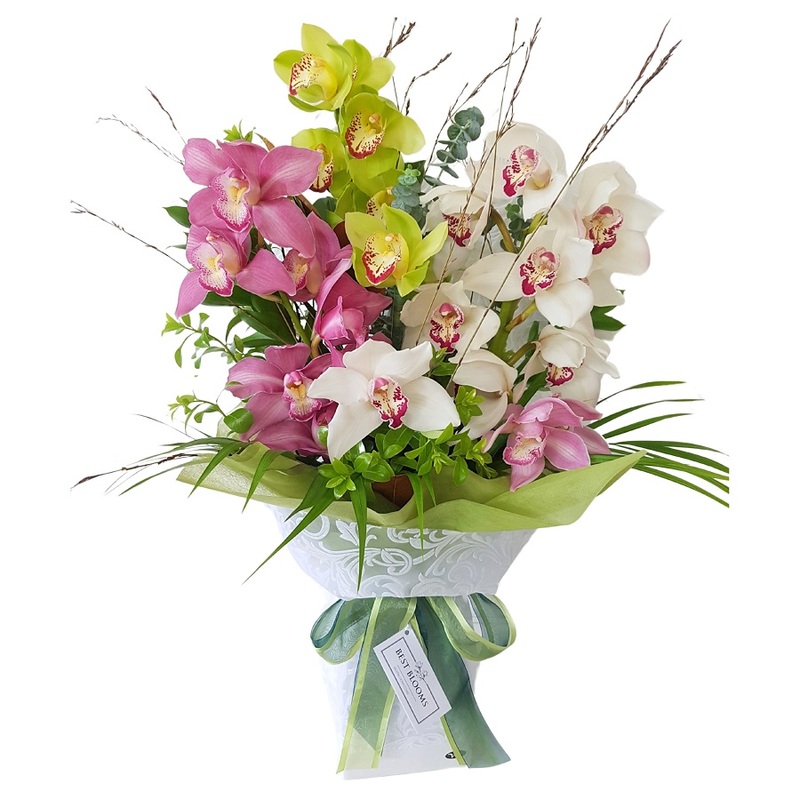
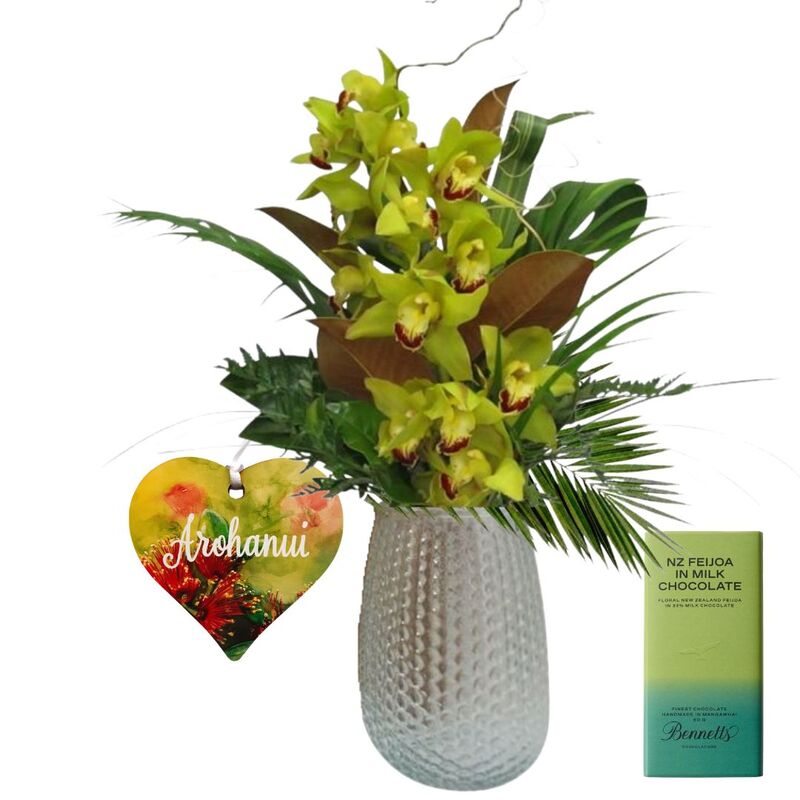
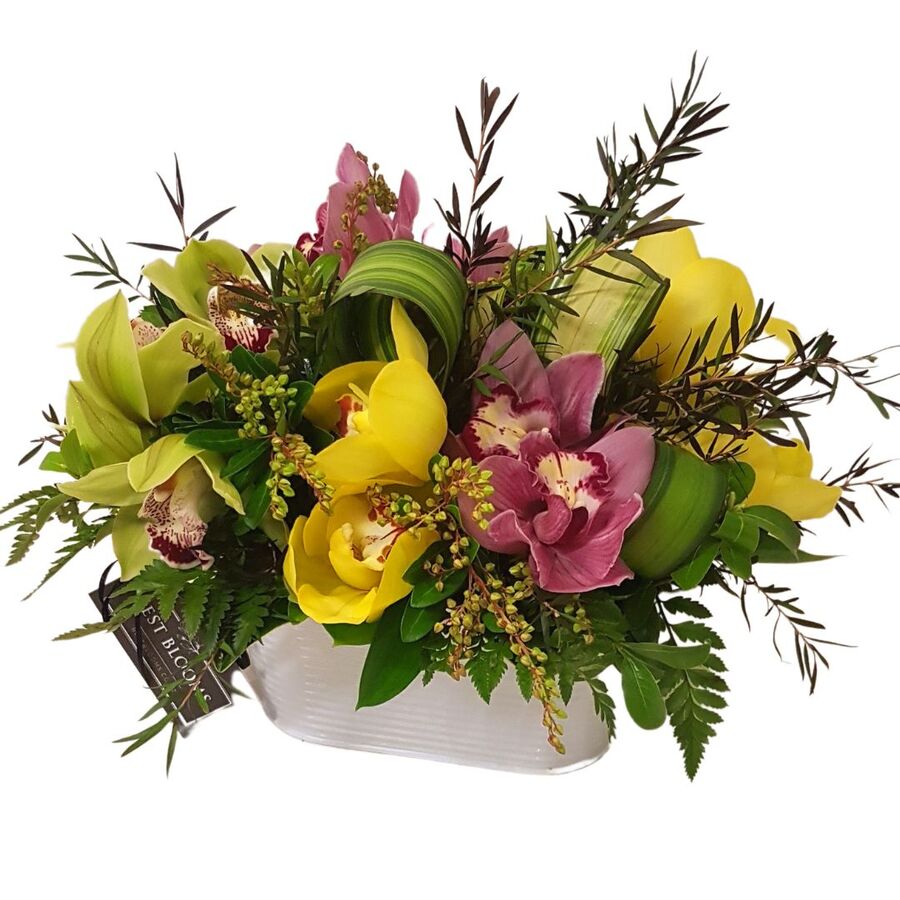
Florists do not use native orchids in everyday bouquets. Many are rare, protected or simply too delicate for cut flower work. Instead, Best Blooms creates arrangements with beautiful New Zealand-grown Cymbidium orchids when they are in season.
These NZ-grown Cymbidium orchids are long-lasting, elegant and widely loved in winter floral arrangements, orchid bouquets and orchid gift boxes.
Shop New Zealand Grown Orchids
Have you ever seen a native New Zealand orchid? Many people have not, even though New Zealand has over 160 species recorded. These are fascinating and often overlooked native flowers. Some native orchids are found around coastlines, others grow in swamps, forests or high-country alpine areas. Their flowers are usually much smaller and more delicate than tropical orchids such as Phalaenopsis, Cattleya or Cymbidium orchids. One of the rarest is the Black Helmet Orchid, which is critically endangered and found only in the Whangamarino Wetland in the Waikato. Native orchids are protected and cannot be picked or used by florists. Although florists cannot use native orchids, New Zealand-grown Cymbidium orchids are a wonderful local cut flower. They are usually available from autumn through winter and into spring, depending on grower supply.Read more about native New Zealand orchids
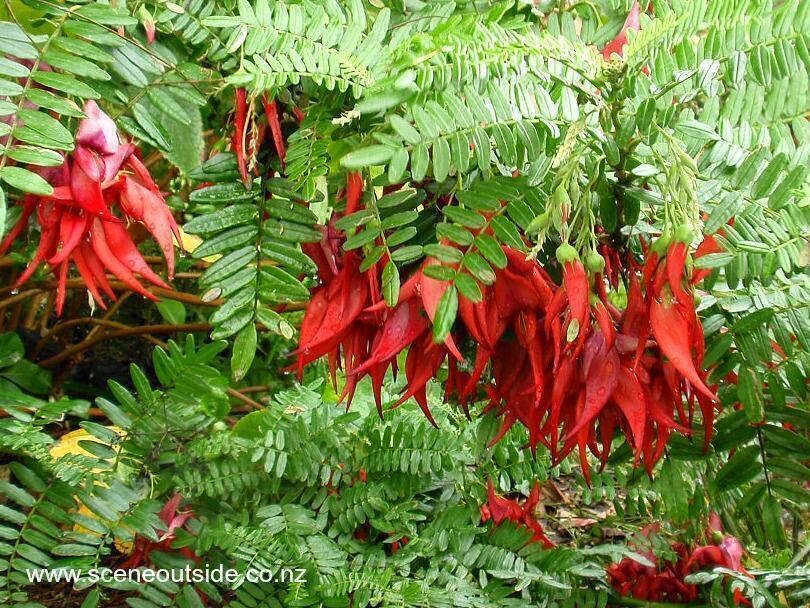
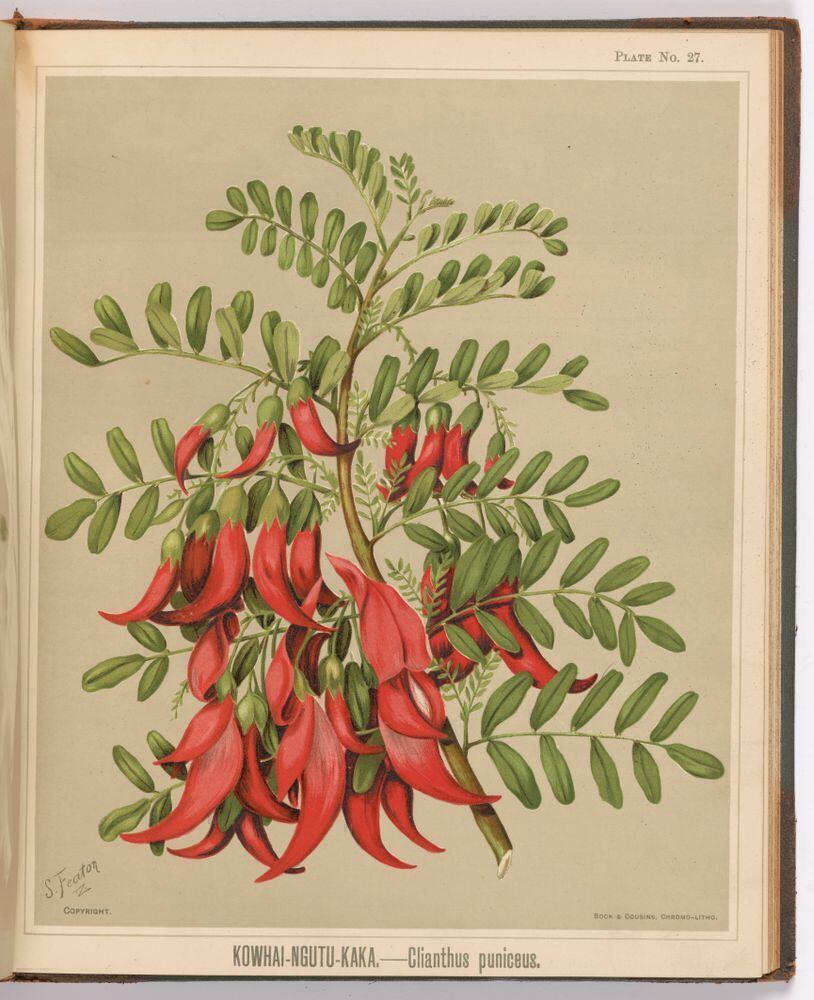
Kākābeak is a striking native New Zealand flower, known for its bright red, curved blooms. The flowers resemble the beak of the kākā, one of our native parrots, which is where the plant gets its name.
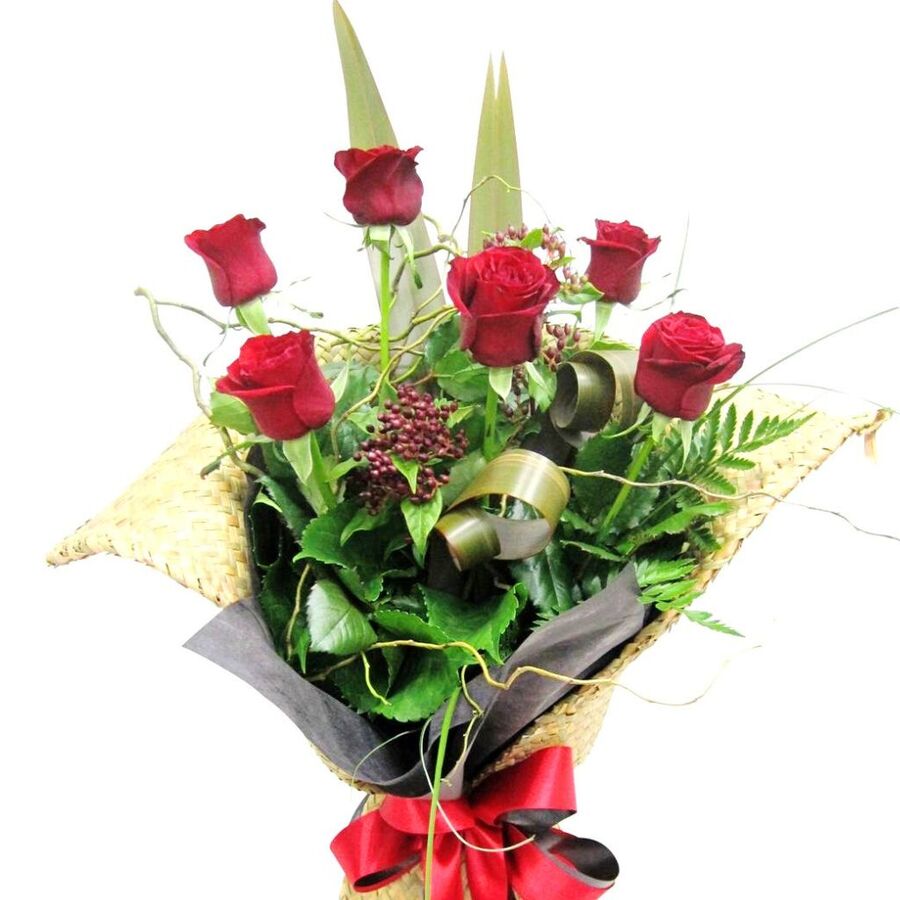
Although Kākābeak is beautiful, it is not commonly used as a cut flower in everyday florist bouquets. At Best Blooms, we often interpret this bold red native flower through strong red and Māori-inspired floral designs with a Kiwiana feel.
Shop Red Māori-Inspired Kiwiana Bouquets
Kākābeak grows as a shrub or small tree and is found in forest margins and rocky outcrops. Its red tubular flowers are an important nectar source for native birds such as tūī and bellbirds. The plant is also grown ornamentally in gardens and parks throughout New Zealand, where its bold red flowers create a dramatic native display. Because Kākābeak is not a standard cut flower for florist delivery, we use its colour and symbolism as inspiration rather than relying on the actual bloom in daily floral work.Read more about Kākābeak
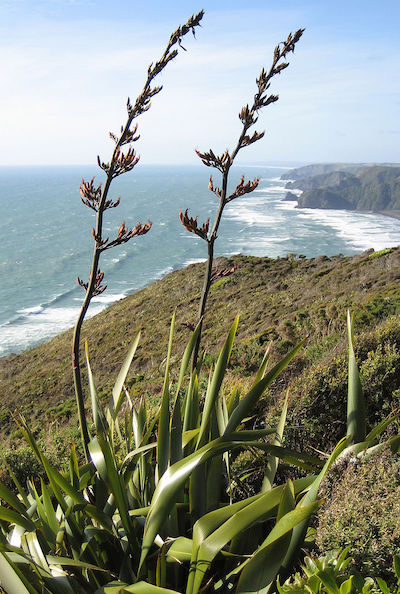
Harakeke, or New Zealand flax, is one of the native plants our florists use most often. We use flax leaves, flax spikes, rolled flax shapes, woven flax flowers, kete-style wraps and natural textures to create New Zealand style bouquets and arrangements.
True flax flowers grow on tall spikes and are an important food source for native birds, but in floristry we more often use the strong leaves and woven forms to create structure, movement and a distinctly Aotearoa feeling.
Shop Flax and Kete Style Arrangements
Harakeke is known for its strong, fibrous leaves and has long been used in Aotearoa for weaving and practical purposes. Traditionally, Māori used harakeke for clothing, kete bags, shelter, fishing nets and tukutuku panels. The plant produces tall flower spikes in colours ranging from yellow to red. These are loved by tūī and bellbirds. In the flower shop, flax is incredibly useful. Our florists roll and shape the leaves, weave decorative flax flowers, use flax spikes and design with kete wraps and baskets to create Kiwiana and New Zealand style floral gifts. Using flax and other New Zealand foliages is one of the best ways we can create native-inspired bouquets, because many true endemic flowers sadly do not last long enough as cut flowers for daily deliveries.Read more about Harakeke and flax flowers
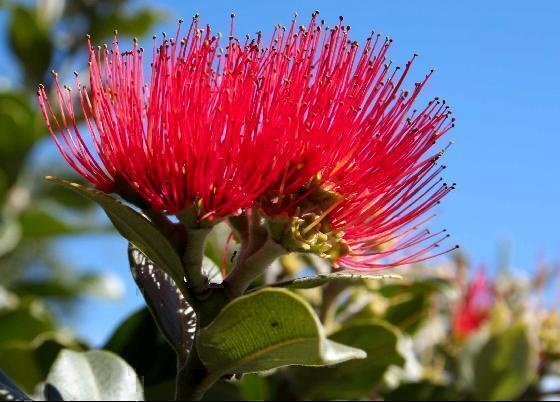
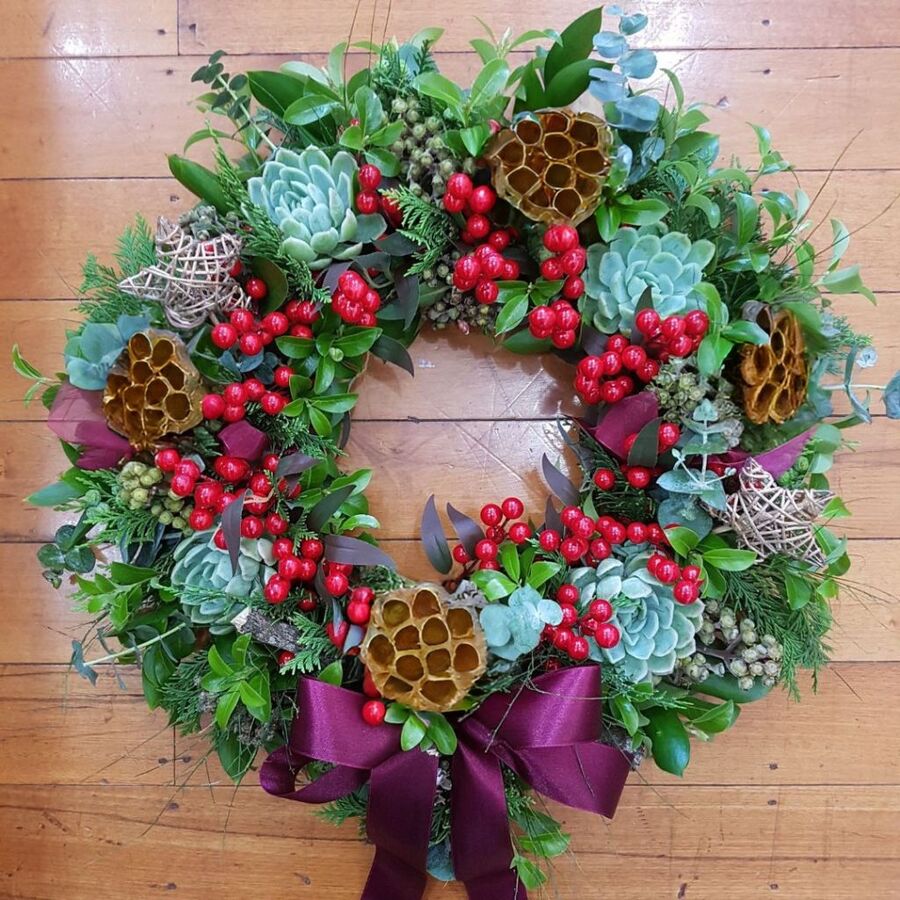
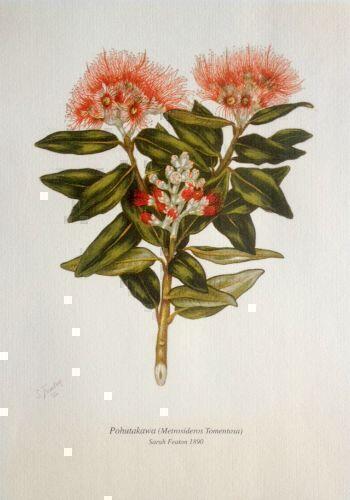
Pōhutukawa is one of New Zealand’s most iconic native flowers. Often called the New Zealand Christmas tree, it bursts into crimson bloom in December, just in time for a Kiwi summer Christmas.
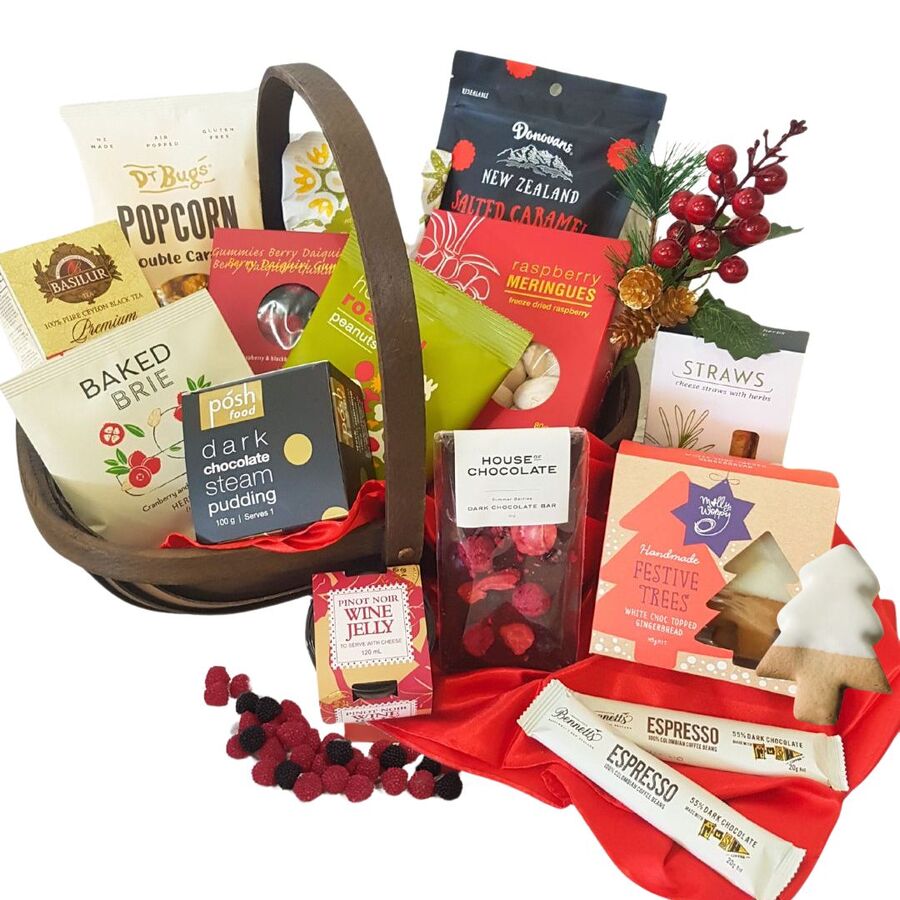
Because Pōhutukawa is so closely connected with a New Zealand Christmas, this section is a natural place to explore festive flowers, red summer blooms and Christmas floral designs with a local feel.
Shop New Zealand Christmas Flowers
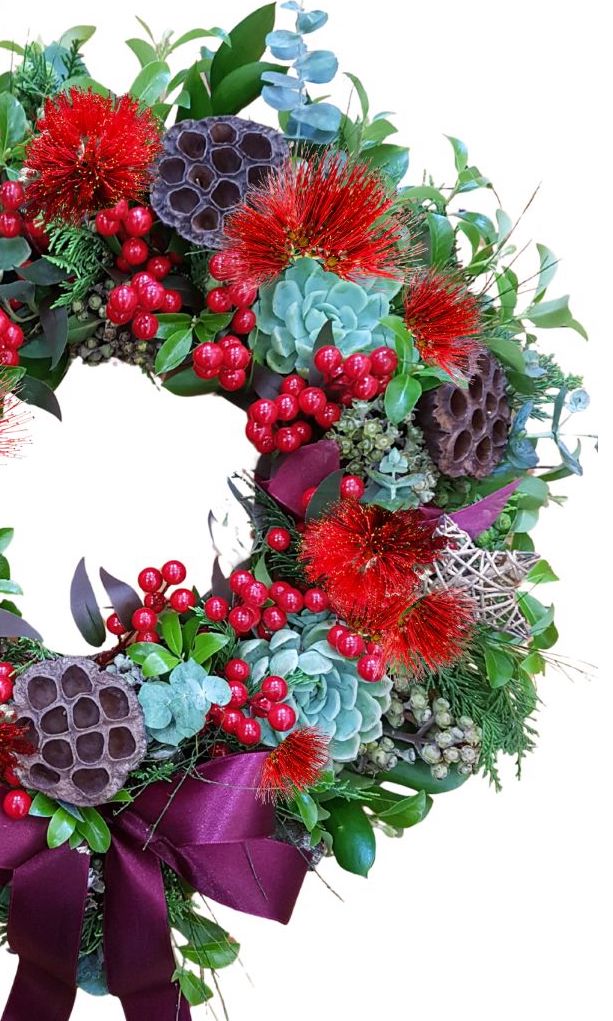
Pōhutukawa trees are found along the coast of the North Island and are often seen growing on cliffs and rocky outcrops. Their crimson flowers grow in fluffy clusters at the ends of the branches, creating a striking display against the silvery-green leaves. Pōhutukawa also has spiritual significance, particularly in connection with Cape Reinga, where a lone Pōhutukawa tree is associated with the place where spirits begin their journey to Hawaiki. Our florists may use hardy grey-green Pōhutukawa leaves, buds and seed pods as native foliage or design accents. The red blooms themselves do not last well as cut flowers, but they can sometimes be added at the last minute for special funeral work or Christmas table designs. Florist tip: If you are making a Pōhutukawa Christmas wreath, create the structure first using a vine or artificial wreath base, then add hardy foliage, seed pods, pine cones, shells or other natural textures. Add fresh Pōhutukawa flowers right at the last minute, ideally in water tubes, because the flowers themselves are short-lived once picked.Read more about Pōhutukawa flowers
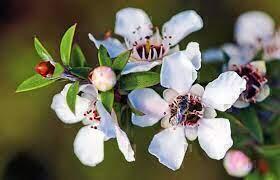
Mānuka is a native New Zealand shrub or small tree, known for its small white or pink flowers and aromatic foliage. It is especially famous for the honey made from its nectar.
Mānuka flowers are beautiful, but they are not usually used as everyday cut flowers in florist bouquets. They are best enjoyed in gardens, wild places and by the bees who help create New Zealand Mānuka honey.
Modern cultivars can have very pretty pink, burgundy or cerise flowers, and these can be lovely in gardens and seasonal displays.
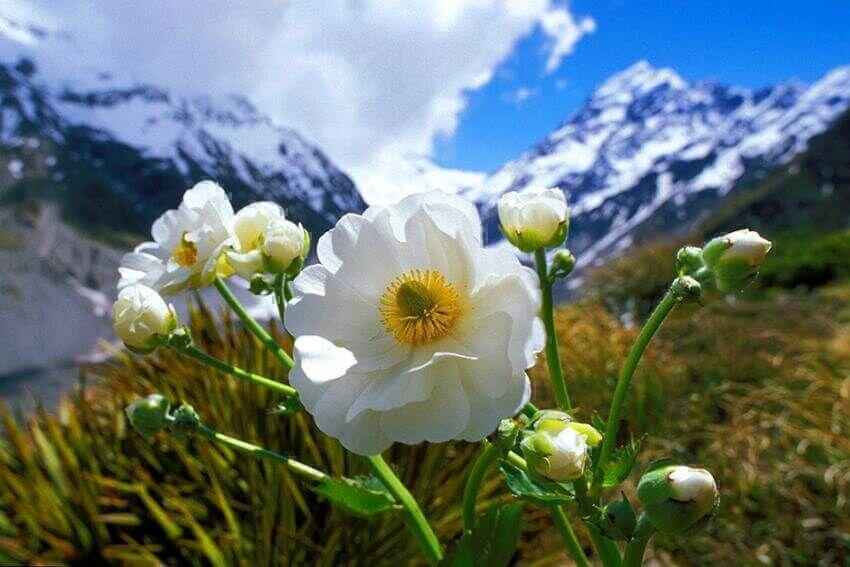
The Mount Cook Lily, also known as Ranunculus lyallii, is a rare and beautiful native alpine flower found in New Zealand’s South Island. Despite its common name, it is actually a giant buttercup rather than a true lily.
Its large white petals and yellow centre make it one of New Zealand’s most striking alpine flowers. It blooms in late spring and early summer in rocky alpine environments, including areas around Aoraki / Mount Cook.
This protected native flower is not used by florists, but it is a wonderful example of New Zealand’s unique alpine flora.
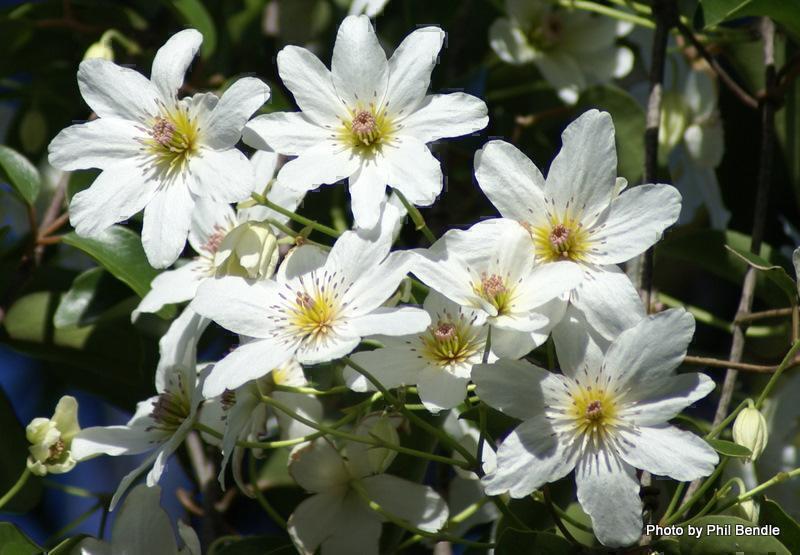
Puawānanga, or native clematis, is a climbing native plant with beautiful white or cream flowers and a sweet fragrance. As flowering finishes, the plant forms striking fluffy seed heads.
Native clematis flowers bloom in late spring and early summer and are a lovely sight climbing through trees and garden structures. They are best enjoyed growing naturally rather than used as standard florist cut flowers.
These flowers are delicate, graceful and full of seasonal charm.
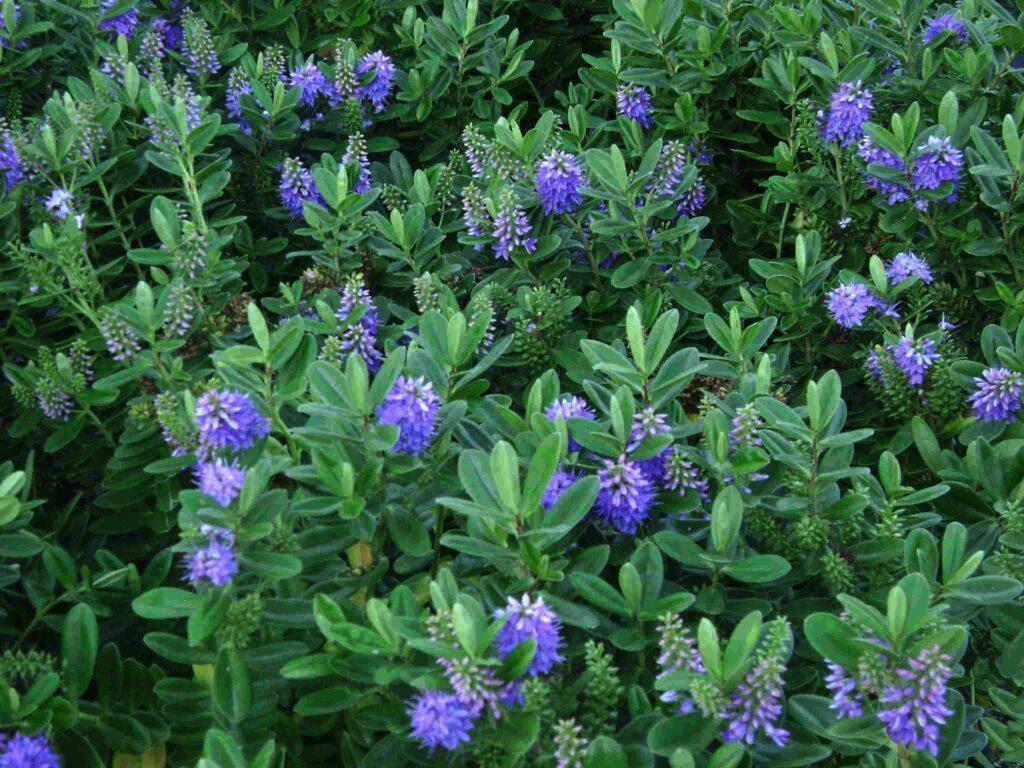
Hebe is a genus of plants found throughout New Zealand, known for colourful flower spikes and attractive foliage. Hebe flowers can appear in white, pink, blue and purple shades.
Hebes are popular garden plants and are valued for their hardiness, shape and ability to rejuvenate after pruning. Florists may occasionally use foliage or flowering stems where suitable, but they are more commonly enjoyed in gardens and landscapes.
The name Hebe comes from the Greek goddess of youth, which feels fitting for such a fresh and resilient plant.
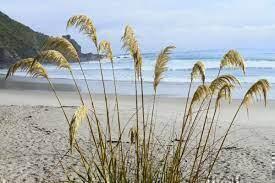
Toetoe is a native New Zealand grass with elegant, arching flower heads. It is often confused with pampas grass, but they are not the same plant.
Pampas grass is an introduced pest plant in New Zealand and should not be used in floristry or event styling. Native toetoe has a lighter, more graceful flower head and flowers at a different time of year.
As florists, it is important to choose the native endemic toetoe rather than invasive pampas grass when designing with this style of texture.
Pampas grass has dense upright flower heads that may appear white, pink or purple, usually flowering from January to June. Native toetoe produces lighter golden curved flower heads, often flowering from September to January.
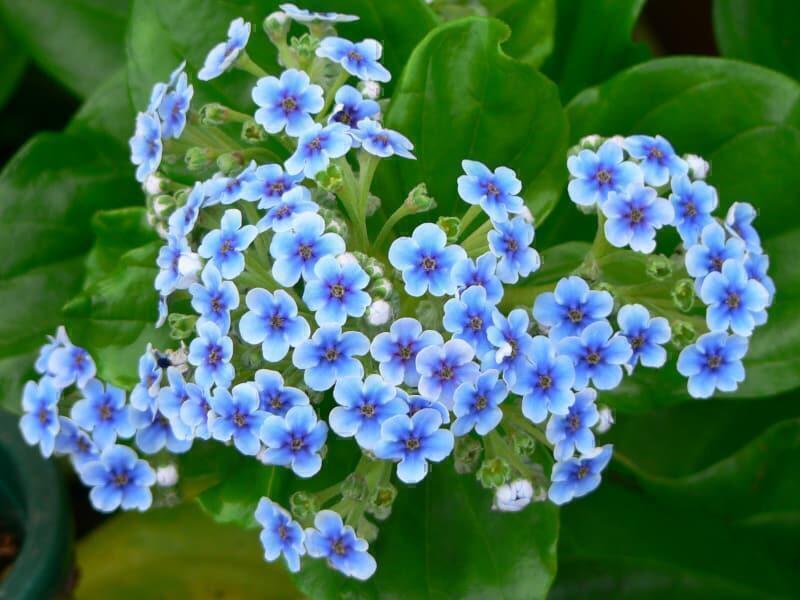
The Chatham Island Forget-me-not is a stunning native plant with large glossy leaves and beautiful blue flowers. It is native to the Chatham Islands, off the east coast of New Zealand’s South Island.
These blue flowers bloom in late spring and summer and are highly prized by gardeners for their unusual colour and lush form. In the wild, the plant is considered threatened due to habitat loss and invasive species.
Blue flowers are always special in floristry and gardening, and the Chatham Island Forget-me-not is one of New Zealand’s most beautiful examples. I have tried more than once to grow it in Auckland gardens without success so far — but hope springs eternal!
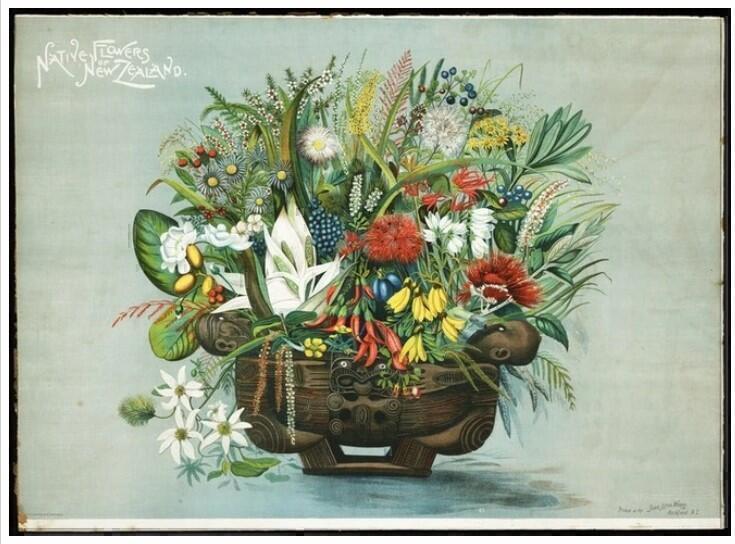
This early floral artwork features native New Zealand flowers including Pōhutukawa, Clematis, Kōwhai, red Kākābeak, Hebe and Mānuka in a wooden bowl with Māori carving.
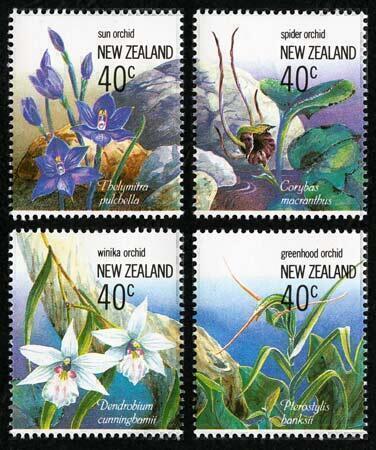
New Zealand is a land of unique and diverse flora, with many species of flowers and plants found nowhere else in the world. Early botanical artists and collectors helped document these plants through lithographs, drawings and preserved specimens. This historic lithograph was an early study of New Zealand native flora, presented in colour. The botanical artist was William Huddlestone, with lithograph work by William Shaw Diedrich Schmidt. Botanist Joseph Banks was among the early European botanists to see and record New Zealand’s unusual flora in 1769. Te Papa’s botany collection still includes historic specimens connected with early botanical exploration. In 1990, NZ Post issued a botanical stamp collection for the World Stamp Exhibition, featuring four native New Zealand orchids. It is a lovely example of how our small, delicate native orchids have been recorded and celebrated in New Zealand art and design.Read more about early botanical art and New Zealand native flowers
Native New Zealand Orchid Stamp Collection
Sometimes, but not always. Many native New Zealand flowers are beautiful in gardens, forests and wild places, but they do not necessarily last well as cut flowers. Some are protected, rare, delicate, seasonal or unsuitable for daily florist deliveries.
That is why Best Blooms often creates native-inspired floral designs instead. We use natural textures, flax-style wrapping, foliage, orchids, protea, kete-inspired presentation, paua details and seasonal blooms to create bouquets and arrangements with a strong Aotearoa feeling.
If you are looking to send flowers with a Kiwiana, Māori-inspired or New Zealand style look, our florists can create something thoughtful, meaningful and practical for Auckland delivery.
Shop New Zealand Style Flowers and Gifts
If you enjoyed this guide, you may also like our article on Matariki flowers and gift ideas, or our florist guide to protea flowers and textural blooms.
If you enjoy flower meanings, you may also like our guide to birth flowers by month, where we explored New Zealand native flowers as birth month flowers, alongside birthstones and star signs.
While many true native New Zealand flowers are best enjoyed in gardens, forests and wild places, our florists love creating New Zealand style bouquets with natural textures, flax-inspired details, seasonal flowers and a distinctly Aotearoa feel.

Jo-Ann Moss is the Creative Director at Best Blooms, an Auckland florist providing fresh flower delivery across the city. Jo-Ann writes about flower gifting, floral care tips, and how to choose the right bouquet for every occasion.
26 May 2026, 02:08 PM
Like this article 850 others enjoyed this article
Seasonal Flowers in New Zealand
Traditional Wedding Anniversary Gifts by Year NZ (1770 likes)
🌸 Birth Flowers, Birthstones & Star Signs – A Fun NZ Guide (1684 likes)
10 Tips How to make your Flowers live Longer - Flower Care Tips NZ (1553 likes)
Why Best Blooms Loves New Zealand Grown Flowers (1468 likes)
Christmas Celebrations - Guide to New Zealand's most popular Flowers at Christmas (1467 likes)